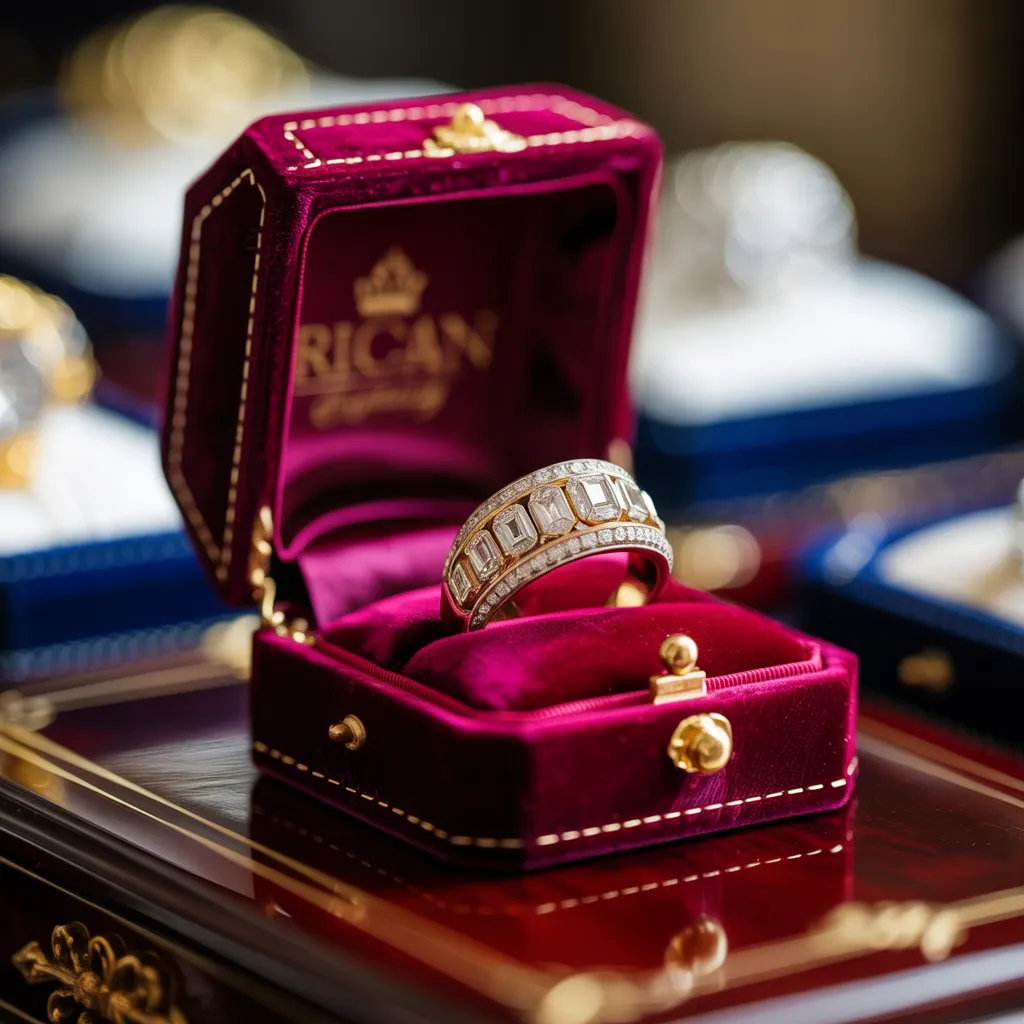
Royal Style Ring for Gifts
Explore the Sophistication: a Comprehensive Guide to the Royal Collection Jewelry Line
Royal jewels holds a special position in history, representing prestige and power across the ages. Every piece, from crowns to brooches, conveys a narrative of artistry and cultural significance. The level of craftsmanship is truly remarkable, embodying methods refined over countless generations. As one explores these treasures, questions arise about their impact on modern fashion and the ongoing efforts to preserve their legacy. What mysteries could these exquisite pieces uncover?
The Importance of Royal Jewelry Across History
Across the ages, royal jewelry has functioned as a powerful representation of authority and status, showcasing the affluence and authority of monarchies. These exquisite pieces were often crafted from the most premium materials, including gold, silver, and precious gemstones, showcasing the skill of artisans and the power of the royal house. Monarchical pieces not only adorned the elite but also expressed sovereignty, authenticity, and ancestry. Royal headpieces and jewelry often incorporated elaborate patterns which represented the cultural heritage of a nation, while also functioning as tokens of diplomacy to strengthen political bonds. The significance of such pieces transcended mere ornamentation; they were essential components of ceremonies, coronations, and state functions, embodying enduring power and consistent rule. As guardians of the past, regal pieces connects the past with the present, reflecting the aspirations and triumphs of royal families across centuries, establishing them as irreplaceable cultural heritage.
Distinguished Items From the Royal Collection
The Royal Collection stands as the custodian of several of the most celebrated pieces of jewelry in the annals of history, featuring the illustrious Crown Jewels. These extraordinary pieces not only display exquisite craftsmanship but also encapsulate profound historical stories. Notable royal wearers have additionally enhanced their legacy, rendering them symbols of heritage and power.
An Overview of the Crown Jewels
The Crown Jewels represent the deep-rooted history and timeless legacy of the British monarchy, presenting an array of magnificent artifacts that reflect centuries of craftsmanship and significance. Some of the most iconic elements feature the Imperial State Crown, decorated with get started approximately 3,000 diamonds, and the Sovereign's Sceptre, incorporating the celebrated Cullinan I diamond. The Coronation Spoon, a historic relic, underscores the ritual importance of these treasures. Every item fulfills a distinct purpose at royal ceremonies, representing the authority and grandeur of the Crown. The collection is preserved within the Tower of London, welcoming millions of guests every year. As a whole, they represent a magnificent homage to the craftsmanship and legacy of British royalty, fascinating spectators across the world.
Historical Significance Unveiled
While many pieces in the Royal Collection tell stories of power and legacy, a few iconic items stand out for their profound historical significance. The Imperial State Crown, adorned with the Cullinan II diamond, symbolizes the sovereignty of the British monarchy and has been worn during the State Opening of Parliament since 1837. A further remarkable item is the Cambridge Lover's Knot Tiara, which has links to Queen Mary and Princess Diana, demonstrating enduring ties and family connections within the royal line. Moreover, the Koh-i-Noor diamond, historically regarded as a symbol of colonial power, reflects the complex interplay of history, power, and cultural significance. These celebrated items not only demonstrate extraordinary workmanship but also preserve significant milestones in the monarchy's illustrious heritage.
Notable Regal Individuals
Numerous royal figures have been seen wearing celebrated pieces from the Royal Collection, with each one adding a unique dimension to the narrative of these extraordinary jewels. Queen Elizabeth II was notably known for wearing the magnificent Burmese Ruby Tiara, a gift from the people of Burma, representing grace and resilience. Princess Diana captured the world's attention with the captivating sapphire engagement ring, which endures as a symbol of her legacy. The Duchess of Cambridge, Kate Middleton, has shown a deep appreciation for these pieces, particularly wearing the famous Cambridge Lover's Knot Tiara, originally crafted for Queen Mary. Each individual who donned these jewels not only demonstrated the remarkable craftsmanship but also brought personal history and cultural depth to the timeless elegance of the Royal Collection, guaranteeing its enduring legacy.
The Artistry Behind the Royal Collection Jewelry
The craftsmanship embodied by Royal Collection Jewelry reflects a dedication to remarkable workmanship that transcends mere adornment. Each creation is painstakingly fashioned by talented craftspeople who apply time-tested approaches, guaranteeing that all aspects are completed with care. From the selection of exceptional precious gems to the intricate metalwork, the manufacturing journey reflects a steadfast pursuit of perfection.
Artisans often draw inspiration from historical designs, combining traditional elements with contemporary styles. This combination yields exceptional works that not only highlight stunning beauty but also share a compelling history. Techniques such as hand-setting, engraving, and filigree work are often utilized, underscoring the painstaking effort invested in each creation.
The use of ethically sourced stones and precious metals greatly adds to the value of Royal Collection Jewelry, making it a hallmark of luxury and tradition. Ultimately, this passion for artisanship ensures that every piece stands the test of time, treasured by generations to follow.
How Royal Jewelry Embodies Cultural Traditions
Royal jewelry serves as a reflection of cultural traditions, showcasing unique symbolism through its design motifs. The impact of history is visible in the styles adopted by various regions, embodying the values and narratives of their individual societies. Furthermore, local artisan techniques contribute to the defining features of each piece, greatly enhancing the cultural narrative embedded within royal collections.
The Role of Symbolism In Design Motifs
Fine jewelry often serves as a significant means for expressing cultural identity and heritage, especially within royal assemblages. The decorative motifs in royal jewellery commonly reflect meaningful cultural icons, showcasing the values and beliefs of a civilization. As an illustration, motifs like the lotus blossom in Egyptian jewellery symbolize renewal and purity, while Celtic knotwork designs represent interconnectedness and eternity. Every component is carefully selected to communicate themes of protection, lineage, and power. Furthermore, the use of color and materials frequently mirrors local customs, such as the inclusion of gems considered to possess particular significance. As a result, regal jewelry not only serves as embellishment but also as a narrative device, showcasing the intricate fabric of cultural legacy and history through its intricate designs.
Historical Influence On Styles
Despite being affected by a range of historical developments, royal jewelry often reflects the enduring cultural traditions of a society. Each artifact acts as a reflection of the ideals, convictions, and rituals that have formed its enduring history. As an example, the elaborate patterns found in European crowns can reveal connections to ancient mythology, while Asian royal adornments often incorporate symbols of prosperity and harmony. The use of specific gemstones, such as sapphires and emeralds, often corresponds to cultural significance—representing wisdom or fertility, respectively. Moreover, the craftsmanship and styles transform alongside sociopolitical changes, yet they consistently honor traditional motifs and techniques. Therefore, royal jewelry extends beyond demonstrating aesthetic beauty but also captures the vibrant mosaic of cultural heritage throughout history.
Area-Specific Craft Practices
Artisanal methods in royal jewelry showcase unique cultural characteristics that represent the historical customs of diverse civilizations. In India, delicate lacework patterns and brilliant jewel placements display the country's rich heritage, often incorporating designs influenced by nature and mythology. Correspondingly, in Europe, practices like cloisonné and champlevé enamel emphasize the artistry of medieval craftsmanship, often adorned with heraldic symbols that signify lineage and status. African royal jewelry commonly utilizes beadwork and metal-smithing, using natural materials to communicate ceremonial meaning and community identity. Every area's distinctive techniques not only enrich the artistic quality of royal pieces but also function as evidence of the artistry and cultural narratives that have guided their evolution over time.
The Impact of Royal Jewelry on Modern Trends
As royal households worldwide keep presenting their extraordinary collections, the effect of royal adornments on current fashion trends becomes progressively clear. Fashion creators frequently seek inspiration from the enduring sophistication and detailed artistry present in royal jewels, incorporating these characteristics into present-day fashion. Distinctive elements, including botanical motifs and structured geometric forms, regularly emerge in contemporary collections, showcasing the lasting appeal of time-honored aesthetics.
In addition, the renaissance of retro-inspired styles in jewel craftsmanship can be traced back to the esteemed royal archives that showcase exquisite jewels and elaborate metalwork designs. Digital social platforms amplify this impact, with prominent personalities often found replicating regal fashion trends, actively advancing these styles among the broader population. As such, customers are increasingly seeking creations that embody majestic elegance, resulting in a merging of tradition and modernity in the modern jewel trade. This meeting point not only honors regal traditions but also motivates future generations of designers and collectors alike.
Preserving the Legacy: Preservation Initiatives and Displays
Royal jewels not only impacts contemporary design but also demands significant work for preservation and exhibition. Establishments entrusted with these precious items engage professional conservators who carefully evaluate the state of every piece. This process includes cleaning, restoring, and upholding the appropriate environmental conditions—heat, humidity, and illumination—to minimize deterioration.
Exhibitions play an essential role in presenting these objects, allowing the public to understand their historical and artistic significance. Exhibition specialists collaborate to develop themed exhibitions that tell compelling stories, connecting the stories of the pieces' backgrounds and their noble proprietors.
Questions We Often Receive
Who Commonly Develops Royal Collection Jewelry Works
Royal collection jewelry pieces are commonly created by distinguished jewelers and skilled artisans, frequently requested by noble households. These talented artisans focus on detailed handiwork, timeless heritage, and the incorporation of fine and luxurious materials to craft breathtaking jewelry.
How Is Royal Jewelry Authenticated?
Authentic royal jewelry is verified through careful scrutiny by specialists, who examine quality, materials, and historical background. Paperwork, such as purchase records and certificates, additionally validates the authenticity, confirming the items' credibility and regal heritage.
What Materials Are Frequently Used in Royal Jewelry?
Fine royal jewelry commonly includes noble metals like platinum and gold along with a diverse selection of exquisite gemstones such as sapphires, diamonds, rubies, and emeralds. Such materials symbolize power, wealth, and the timeless heritage of royalty.
Can You Find Any Royal Jewelry Auctions?
Yes, royal jewelry auctions take place on a regular basis, showcasing magnificent items from diverse royal collections. These gatherings appeal to collectors and aficionados alike, presenting a unique occasion to secure historically meaningful items filled with cultural heritage and fine craftsmanship.
How Can the Public View Royal Jewelry Collections?
Visitors can discover royal jewellery collections through the means of curated museum exhibitions, special events, and open days at royal residences. Select collections can also be presented during significant anniversaries or royal celebrations, enabling wider public access.
To Summarize
Upon discovering the Royal Jewelry Collection, one discovers a fascinating fusion of history, artistry, and cultural significance. Every piece not only represents prestige and power but also showcases the exquisite workmanship that has been passed down through the ages. With modern fashions constantly shifting, the lasting heritage of royal jewelry remains influential, connecting history to the modern era. By means of dedicated restoration efforts and showcases, these eternal gems will fascinate those yet to come, guaranteeing that their history and beauty persist.